How to Choose the Best LED Wall Washer: A Comprehensive Buyer’s Guide
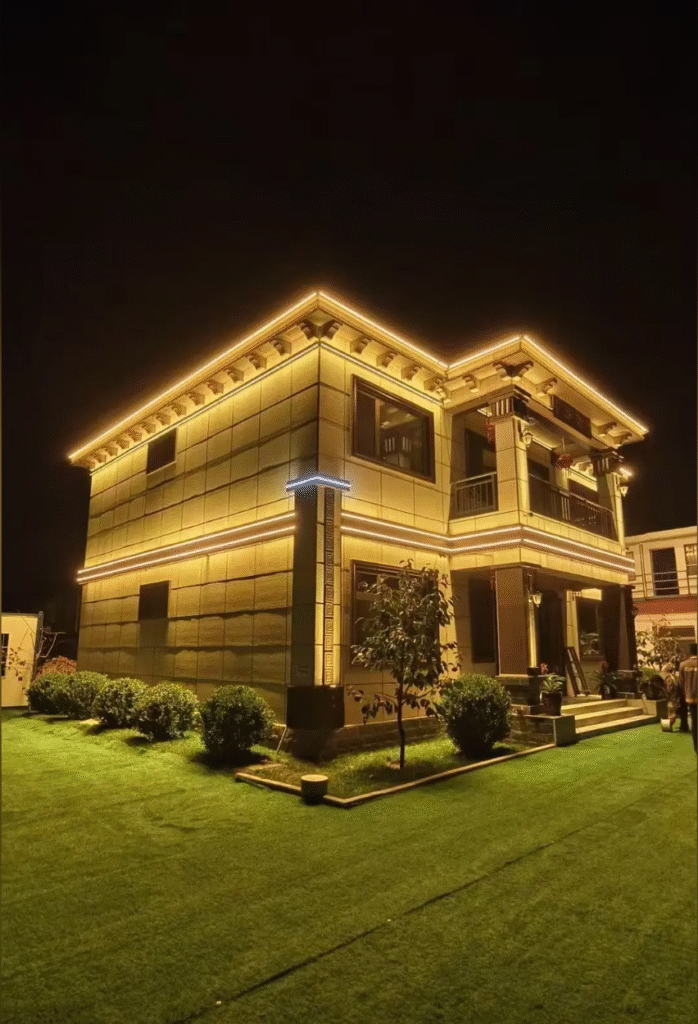
Selecting the right LED wall washer involves understanding key technical parameters, application requirements, and quality indicators to ensure optimal performance and longevity in your lighting project.
1. Understand the Core Technical Parameters
Power & Voltage
Power range: LED wall washers typically come in 18W, 24W, 36W, and 48W variants. Higher power means longer projection distance – 36W-48W models can effectively illuminate surfaces 5-10 meters away.
Voltage options: Choose between AC220V (built-in driver) for direct mains connection or DC12V/24V (external driver) for safer low-voltage installations, especially in wet environments.12
Protection Rating
IP65 or higher is essential for outdoor use – this ensures complete dust protection and resistance to water jets from any direction.
For installations near pools, fountains, or in high-moisture coastal areas, consider IP67-rated models that can withstand temporary immersion.13
Color & Light Quality
Color temperature: Choose from 2200K (amber) to 7000K (cool white) based on your application – 3000K-4000K is ideal for warm architectural lighting.
Color rendering index (CRI): For accurate color representation, select fixtures with CRI > 90, especially important for retail, museums, and art installations.
Color options: Single-color (RGBW), 7-color, or full-color (RGB) models with DMX512 control for dynamic lighting effects.23
2. Critical Quality Factors to Evaluate
Heat Dissipation System
Aluminum housing with proper heat sink design is crucial – look for extruded aluminum profiles (6063 alloy) rather than cheap plastic housings.
Thermal management directly impacts lifespan – poorly designed fixtures using 3W LEDs often suffer from rapid lumen depreciation compared to 1W LED configurations.34
Light Distribution & Optics
Beam angle selection: Narrow (20°-30°) for long-distance projection, medium (50°) for general architectural lighting, or wide (120°) for close-range applications.
Optical quality: High-transmission (98%) tempered glass lenses with anti-UV coating prevent yellowing and maintain light output over time.23
Driver & Control System
Internal vs. external control: Internal control offers fixed effects (no controller needed), while external DMX512 control allows programmable dynamic lighting sequences.
Driver quality: Look for constant current drivers with over-voltage, over-temperature, and short-circuit protection – this is the #1 factor affecting product lifespan.23
3. Application-Specific Selection Tips
Architectural & Building Facades
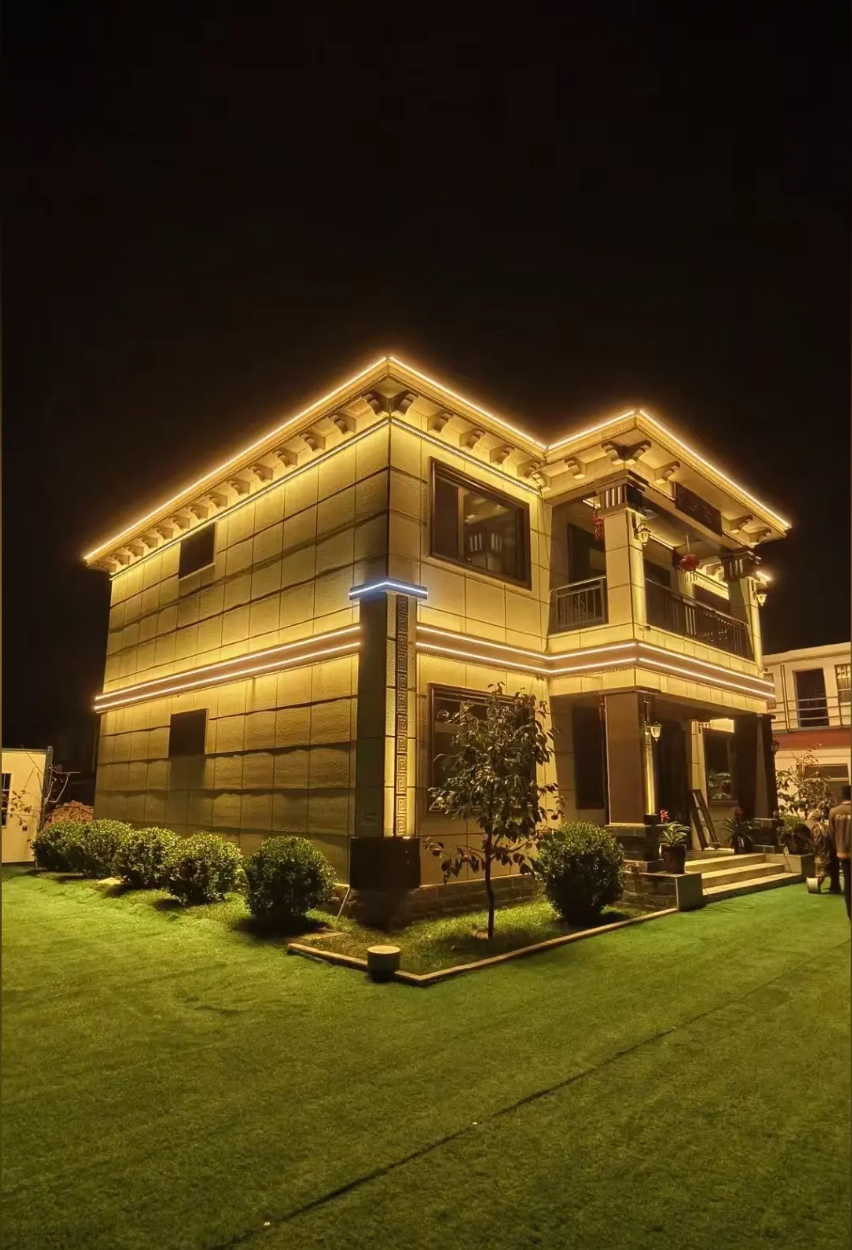
For large building exteriors, select 36W-48W IP65+ fixtures with narrow beam angles (20°-30°) for precise light control and even wash effects.
Mounting considerations: Ensure the fixture’s profile (typically 45-62mm height) allows for discreet installation without compromising structural integrity.15
Landscape & Garden Lighting
Low-voltage (DC12V/24V) systems are safer for garden installations and allow for easier expansion of your lighting system.
Solar-powered options can be ideal for remote garden areas without access to mains power.67
Commercial & Retail Environments
Prioritize high CRI (>90) fixtures to accurately showcase products and create inviting atmospheres.
For dynamic retail displays, choose RGBW fixtures with DMX512 control to create engaging lighting scenes.58
4. Verification & Quality Assurance
Certifications to Look For
CE certification for European market compliance, including ErP (Energy-related Products) directive for energy efficiency.
RoHS compliance ensures the product is free from hazardous substances like lead and mercury.
LM-80 test reports verifying lumen maintenance – quality fixtures should maintain >95% light output after 3,000 hours.910
Practical Testing Methods
Check uniformity: Install a sample fixture and verify there are no dark spots or hotspots in the light distribution.
Test waterproofing: Look for fixtures with pressure-equalizing valves (not just simple drainage holes) that prevent moisture ingress during temperature fluctuations.
Verify actual power consumption: Use a watt meter to confirm the fixture’s real power draw matches specifications – quality control issues often result in underpowered or overpowered units.15
5. Cost vs. Value Analysis
Price Range Expectations
Budget options: 15−15− 30/fixture – suitable for temporary installations but often lack proper heat management and waterproofing.
Mid-range quality: 30−30− 80/fixture – offers the best balance of performance, durability, and value for most professional applications.
Premium fixtures: $ 80+/fixture – feature advanced optics, superior thermal management, and industrial-grade components for critical installations.411
Hidden Costs to Consider
Replacement costs: A 20fixturethatfailsafter2yearsmaycostmoreinlaborandreplacementthana20fixturethatfailsafter2yearsmaycostmoreinlaborandreplacementthana 50 fixture lasting 5+ years.
Energy savings: High-efficiency fixtures (100+ lm/W) can reduce operating costs by 20-30% compared to lower-quality alternatives.14
When selecting LED wall washers, always prioritize quality components, proper thermal management, and appropriate IP ratings over initial price. A well-chosen fixture will provide consistent, reliable lighting for 50,000+ hours, transforming your architectural vision into reality while minimizing maintenance and replacement costs over time. For professional projects, consider consulting with lighting engineers to ensure your selection meets both aesthetic and technical requirements.